


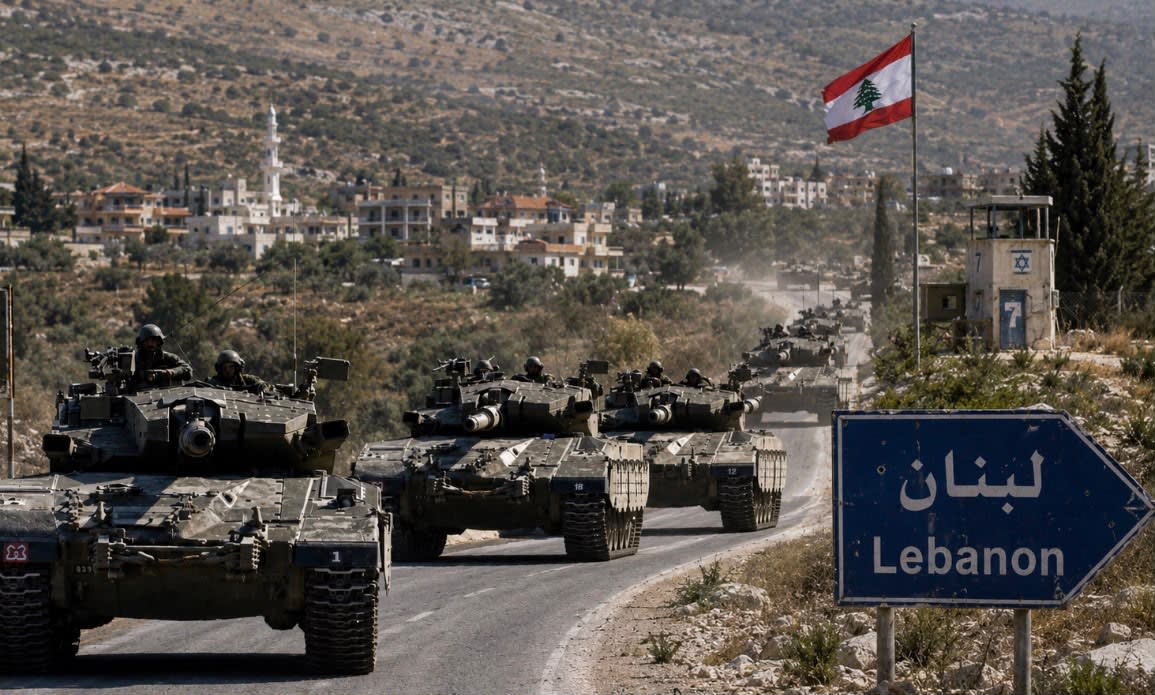
For the first time since the war in Lebanon began, Israel appears to have secured a diplomatic framework that reinforces its core military objective rather than limiting it. Unlike previous ceasefire arrangements, which often required Israel to withdraw first while relying on international guarantees that Hezbollah would eventually comply, the new agreement reverses the sequence. Israel is not required to leave southern Lebanon until Hezbollah is verifiably disarmed. From Jerusalem’s perspective, that is a fundamental shift in the strategic balance and one that addresses what Israeli leaders have long described as the central failure of every previous agreement.
The framework signed in Washington makes Israeli withdrawal conditional rather than automatic. Israel will retain control of a security zone stretching roughly 8 to 10 kilometers inside southern Lebanon until Hezbollah’s military infrastructure is dismantled and its weapons are removed from the area. Additional withdrawals will occur only after implementation has been verified on the ground. For Israel, this creates an entirely different reality than the one that existed after the 2006 war, when Hezbollah gradually rebuilt its forces despite international commitments that southern Lebanon would remain free of armed militias.
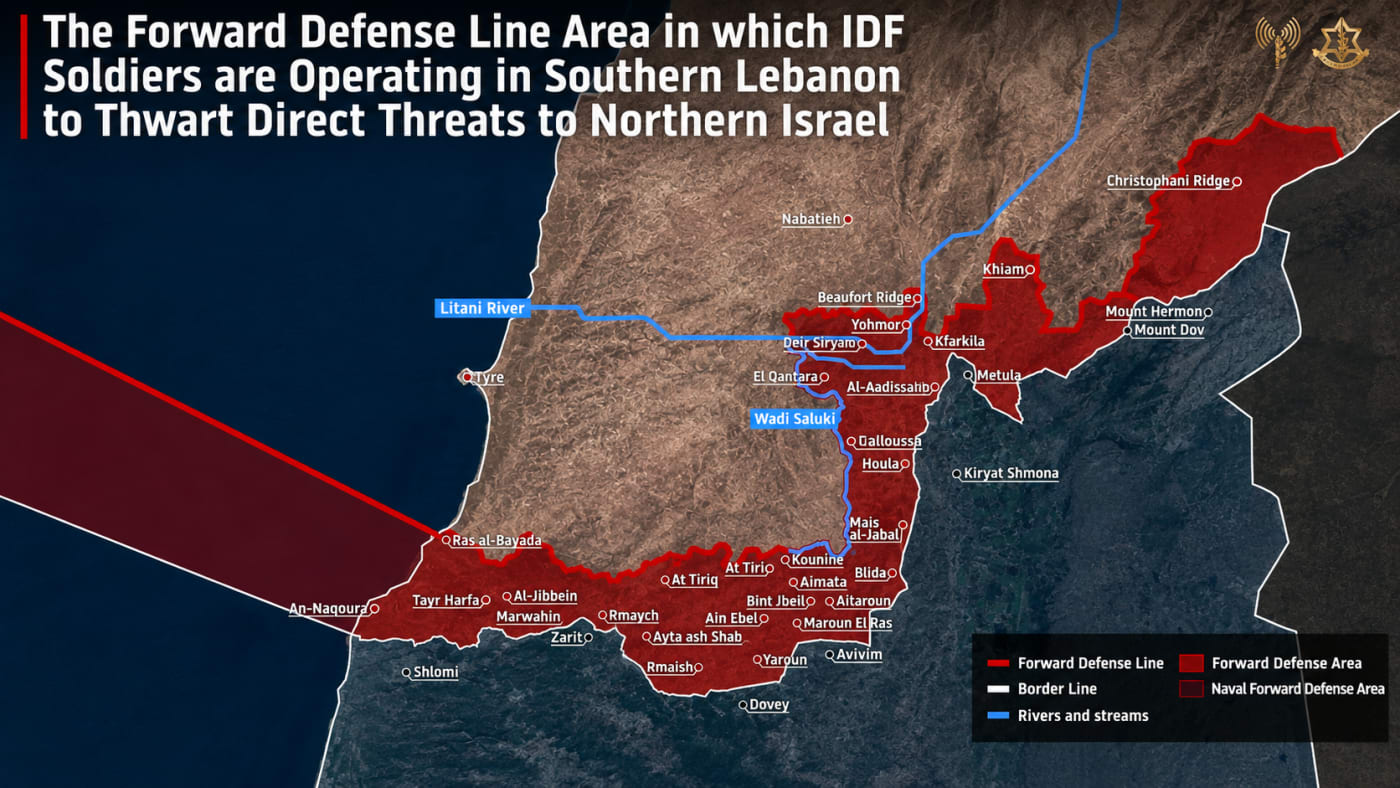
That distinction is why Israeli officials have presented the agreement as one of their most significant strategic achievements in years. Prime Minister Benjamin Netanyahu has repeatedly stated that Israeli forces will remain in southern Lebanon until Hezbollah and other armed organizations are disarmed and northern Israeli communities can return home safely. Finance Minister Bezalel Smotrich has gone further, suggesting Israel could remain inside the security zone for as long as necessary. The message from Israel’s leadership has been remarkably consistent. The timeline is no longer determined by international pressure or diplomatic deadlines. Instead, it depends entirely on Hezbollah’s willingness to surrender the weapons that define its military power.
The United States has publicly aligned itself with that approach. Secretary of State Marco Rubio described the agreement as the beginning of a broader effort to restore Lebanese sovereignty, remove Hezbollah’s military presence and stabilize Israel’s northern border. Washington also announced $100 million in humanitarian assistance for Lebanon, more than $30 million to strengthen the Lebanese Armed Forces and the creation of a new trilateral military coordination mechanism designed to oversee implementation. Taken together, the package signals that the United States is investing not only in Lebanon’s recovery but also in a framework that supports Israel’s security requirements.
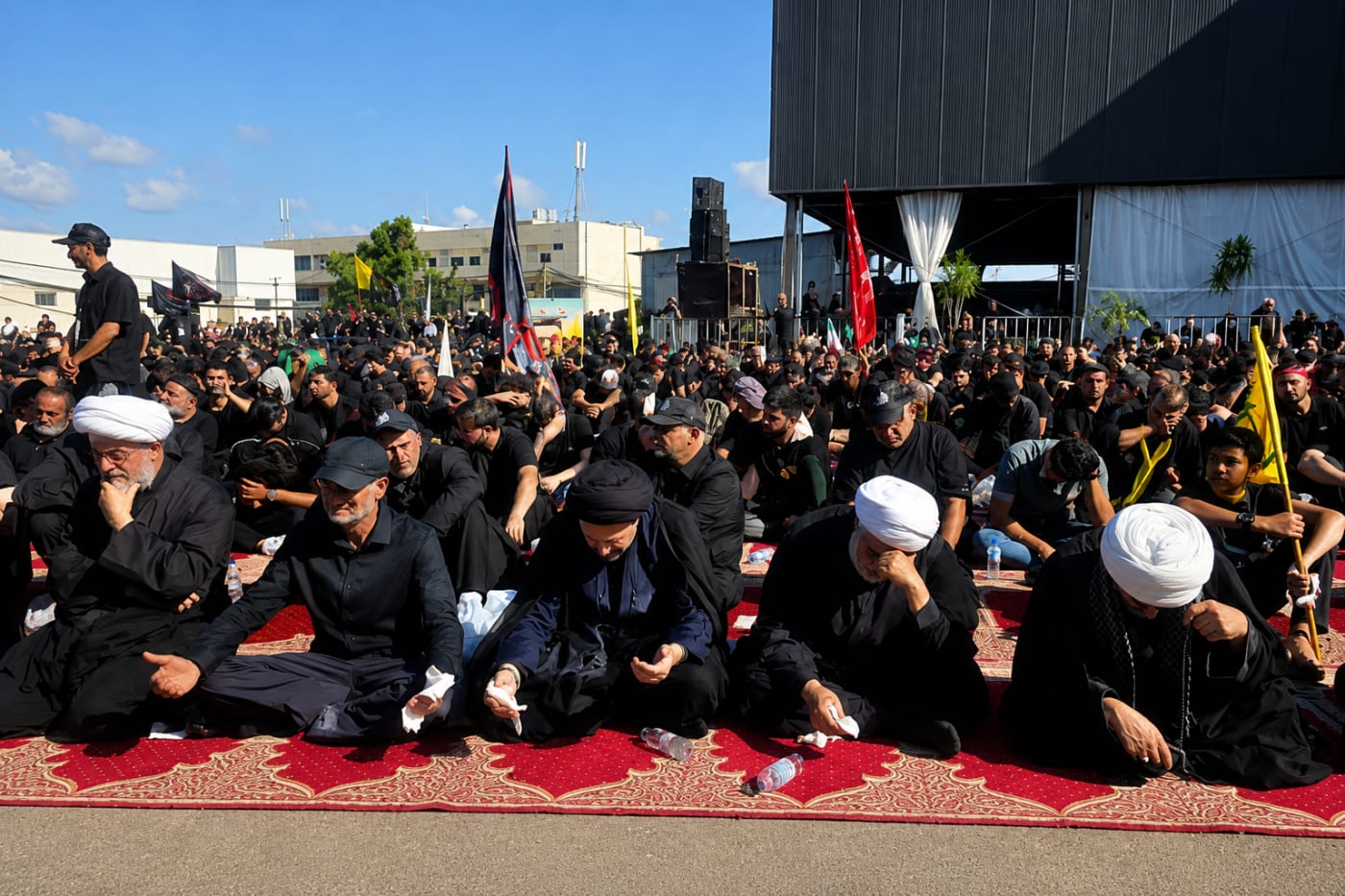
For Hezbollah, however, the agreement creates a dilemma unlike any it has previously faced. The organization has built its political influence and regional deterrence around maintaining an independent military force outside the authority of the Lebanese state. Accepting disarmament would mean voluntarily giving up the capability that has made Hezbollah the dominant military actor in Lebanon for decades and significantly reducing Iran’s influence along Israel’s northern border. Rejecting disarmament, on the other hand, allows Israel to maintain its military presence in southern Lebanon under a U.S. backed agreement that explicitly ties withdrawal to Hezbollah’s own actions. Either choice imposes significant costs on the group, making it difficult for Hezbollah to claim a strategic victory regardless of how it responds.
The agreement also represents a broader setback for Iran’s regional strategy. Tehran spent months attempting to incorporate Lebanon into its wider negotiations with Washington through the Islamabad Memorandum signed earlier this month. That document called for an immediate and permanent ceasefire across every front, including Lebanon, while emphasizing Lebanon’s sovereignty and territorial integrity without conditioning Israeli withdrawal on Hezbollah’s weapons. The Washington framework takes the opposite approach. Rather than linking Lebanon to the broader U.S. Iran file, it isolates the Lebanese theater and places Hezbollah’s disarmament at the center of the process. Hezbollah Secretary General Naim Qassem has already rejected the agreement and demanded implementation of the Iran U.S. memorandum instead, highlighting the incompatibility between the two competing diplomatic tracks.
Despite these advantages, Israel’s success is far from guaranteed. The agreement ultimately depends on an institution that has consistently avoided confronting Hezbollah directly: the Lebanese Armed Forces. The framework begins with a series of pilot zones in southern Lebanon where Israel will withdraw from limited areas while the Lebanese army deploys and assumes full security responsibility. Only after Hezbollah’s disarmament is verified within those zones will additional Israeli withdrawals take place. On paper, the process appears orderly and achievable. In practice, it requires the Lebanese military to carry out a mission that successive governments in Beirut have either been unwilling or unable to attempt.
The challenge facing the Lebanese army extends far beyond military capability. A substantial portion of its personnel come from Lebanon’s Shiite community, particularly in formations deployed across the south where Hezbollah maintains its strongest social and political support. Lebanese Armed Forces Commander General Rodolphe Haykal reportedly warned the government earlier this year that attempting to forcibly disarm Hezbollah could fracture the military itself and potentially trigger another civil conflict. Those concerns resurfaced this week after reports emerged that Haykal could be dismissed. Parliament Speaker Nabih Berri, one of Hezbollah’s closest political allies, publicly warned against removing the army commander and declared that the agreement could not proceed in its current form, underscoring the deep political divisions surrounding implementation.

Ultimately, the agreement shifts much of the responsibility away from Israel and onto the Lebanese state. Israel has established the conditions under which it says it is prepared to withdraw. The United States has committed diplomatic, financial and military resources to help enforce those conditions. What remains uncertain is whether Lebanon is willing or capable of asserting state authority over Hezbollah for the first time in decades. That question, rather than any Israeli military operation, is likely to determine whether the agreement succeeds or fails.
If the Lebanese army deploys into the pilot zones and genuinely dismantles Hezbollah’s military infrastructure, Israel will have achieved one of its principal objectives after years of conflict: a northern border protected not by unenforced promises but by the removal of the immediate threat itself. If the army proves unwilling or unable to act, Israel still retains significant strategic advantages. The security zone remains in place under an internationally supported framework, Hezbollah bears responsibility for preventing further Israeli withdrawals, and diplomatic pressure increasingly shifts toward Beirut rather than Jerusalem.
Neither outcome guarantees lasting peace, and the human cost of the conflict has already been immense. Thousands have been killed in Lebanon, hundreds of thousands displaced, and Israeli soldiers have also lost their lives securing the northern border. Yet from Israel’s perspective, the framework fundamentally changes the strategic equation. For the first time in years, Hezbollah no longer controls the sequence of events. It now faces a choice it has spent decades trying to avoid: surrender the weapons that underpin its power or accept that Israel will remain on Lebanese soil until it does.



Read by the author, not published.